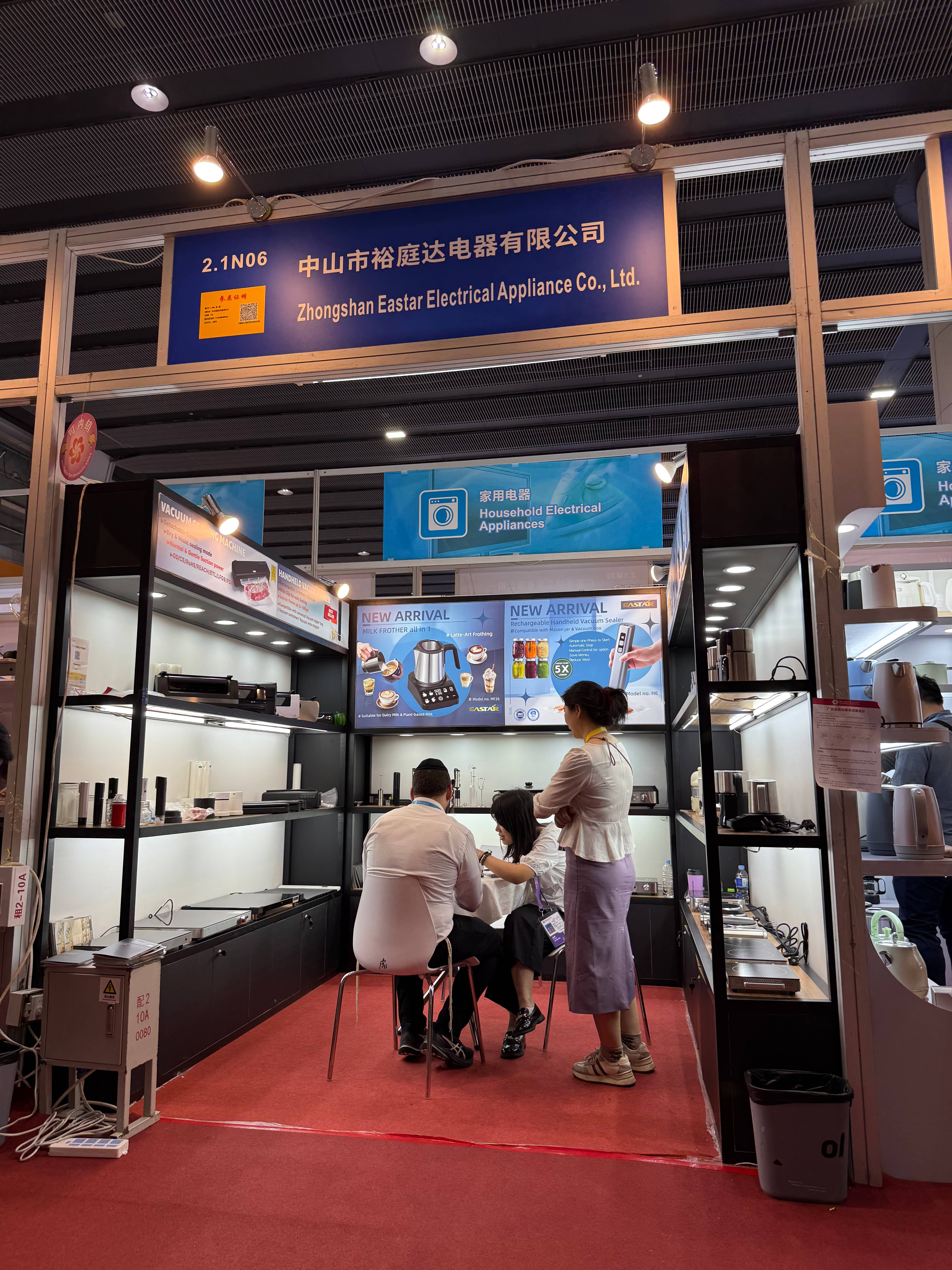
Vacuum Sealer Manufacturer Vs Trading Company : Here's What Each Means of Supply is for Your Importe
As importers source vacuum sealing machines from China, at the beginning of their sourcing process, they frequently find themselves faced with some questions-- "Do I work directly with a vacuum sealer? Is there a better option working through a trading company?"
What has not changed is the need for importers to make a choice. Each option has its own particular characteristics which will have a direct impact upon price, product quality and the overall willingness of the exporter to work with the importer in the future. This Article will summarize all the differences that all importers need to understand before deciding.
1) Who is a Vacuum Sealer Manufacturer?
Vacuum Sealer Manufacturers are companies that have their own manufacturing facility or those that are directly involved in manufacturing. This usually means a manufacturer would maintain:
An assembly line for vacuum sealing machines
Their own or the manufacturer's tooling and/or molding
Component Suppliers that they work directly with (that's why they can sell more than just "one off" vacuum sealers, they also manufacture vacuum sealers)
Full Quality Control measures throughout each phase of production.
As an example, many importers will work more closely with a Manufacturer to develop their product design, raw material specs or performance requirements when they work with them on OEM and/or ODM projects.
2) What is a Trading Company?Trading companies facilitate sourcing products from factories and managing all necessary communications, quotes, and exportation processes on behalf of a buyer. Trading companies also can combine multiple orders across several suppliers, if necessary. For example, buyers who wish to source products in small quantities, from different product categories, or source quickly without any technical customization are generally better serviced by trading companies.
There are many important differences that importers need to be aware of when assessing their options.
1. One very important difference is that manufacturers have a much stronger capability to customize or provide OEM solutions than trading companies generally do.
2. On average, manufacturers provide greater transparency on cost structures with a predictable breakdown of their cost to produce, based on raw materials and labor, as well as production tooling and packaging. Trading companies will include a margin for services rendered, which may affect the competitiveness of pricing on larger or repeat orders.
3. Quality control when sourcing directly from manufacturers is generally handled at the manufacturing source, while quality feedback has to be provided back to the manufacturer when sourcing through trading companies. This usually delays corrective actions to deal with any particular defects or other issues.
4. When working with a manufacturer with an export background, it is likely that they will have a dedicated sales/project management team that understands issue of certification, testing, and international standards; while trading companies can provide some assistance in simplifying communication for buyers who are inexperienced dealing with factories, it will still take additional time and effort to ensure technical discussions are coordinated.
Which sourcing option is better suited for each different type of buyer?
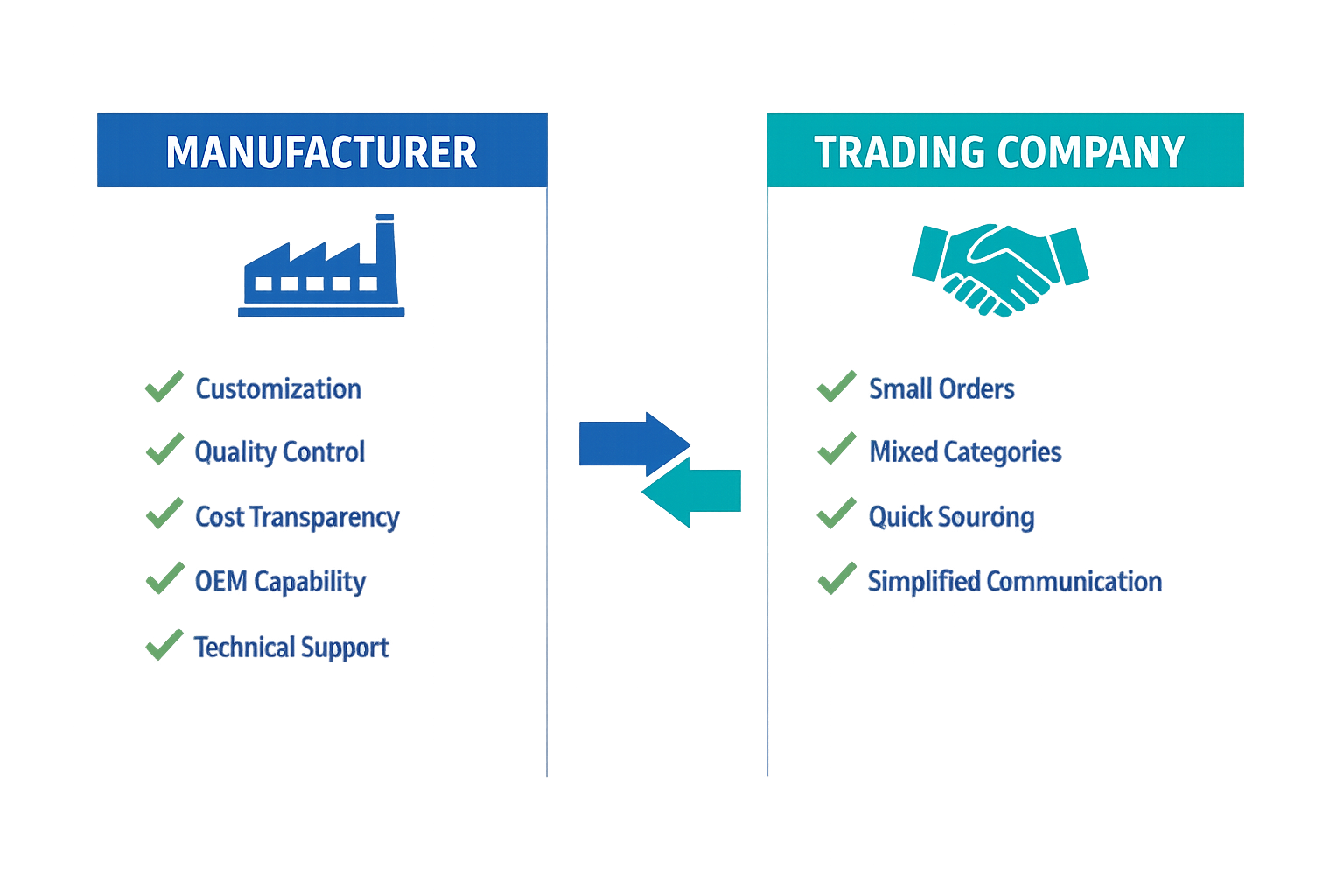
1. Brand owners/Importers with long-term plans to build a business: Typically, working directly with a manufacturer is more appropriate.
2. Private label programs/supermarkets: Having control over all manufacturing processes benefits both the supplier and the buyer by ensuring that products are consistent and compliant.
3. Smaller distributors or trial orders: Generally, trading companies are a more flexible option that can get buyers started, but it is very important to match the sourcing model with the maturity of the buyer’s business, and not simply select the lowest cost option.
From a manufacturing perspective, a successful cooperative relationship between a manufacturer and buyer is built on clearly defined expectations. A successful cooperative relationship includes agreement on target market, certification requirements, projected volume, and branding plans.
While working with manufacturers may not be the fastest option for smaller order requirements, manufacturing partnerships usually provide greater reliability when it comes time to purchase larger quantities of product for resale.
Ultimately, selecting whether to work with a manufacturer or a trading company comes down to a strategy. Importers looking for customization, stable quality, and long-term predictable costs generally fit better working with a manufacturer, while trading companies can fulfil special short-term sourcing needs.
Importers who are aware of the differences between manufacturers and trading companies are able to reduce their overall sourcing risks and build stronger supply chains.*While OEM/ODM vacuum sealer solutions and private label cooperation are available based on project requirements.